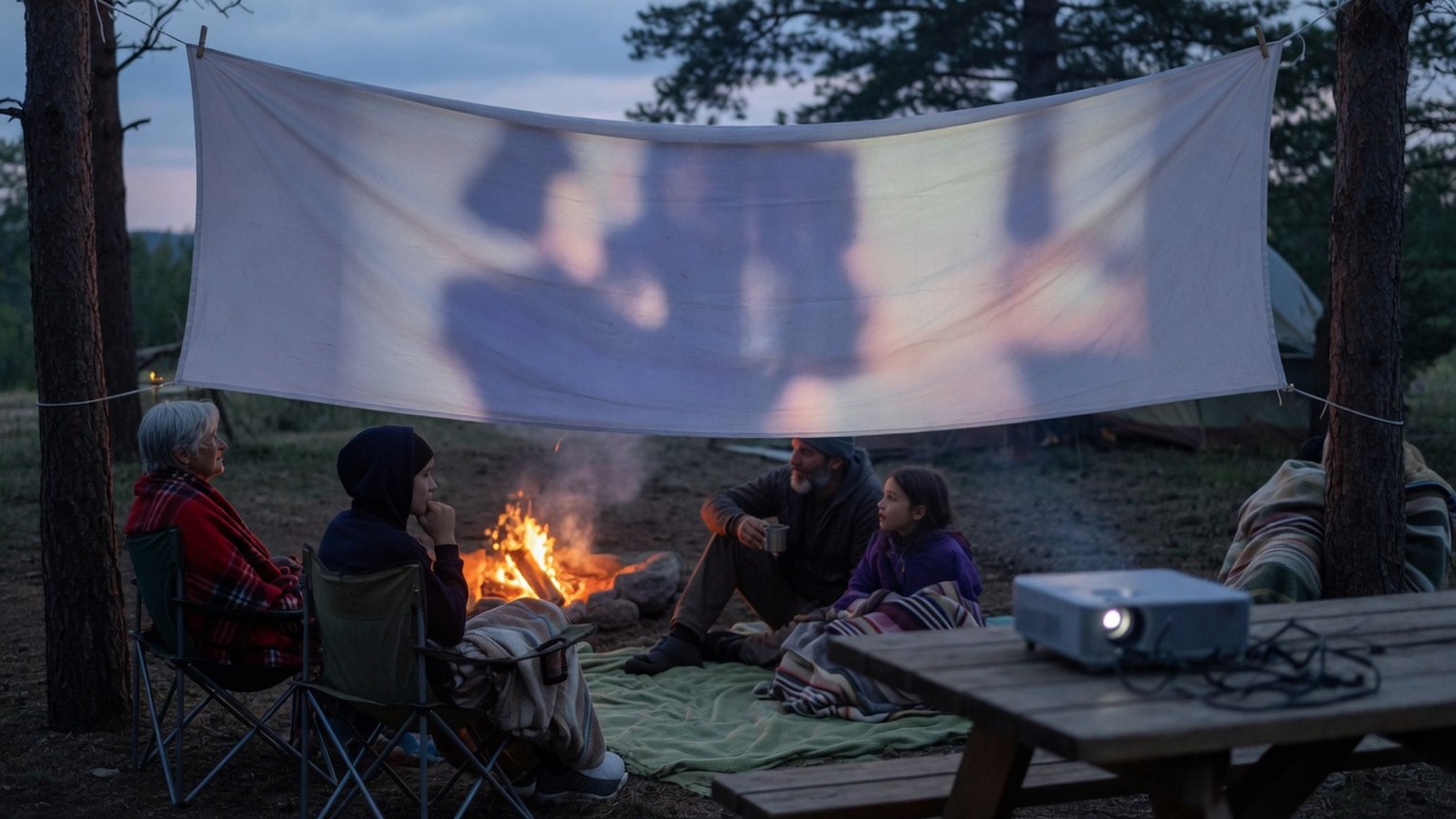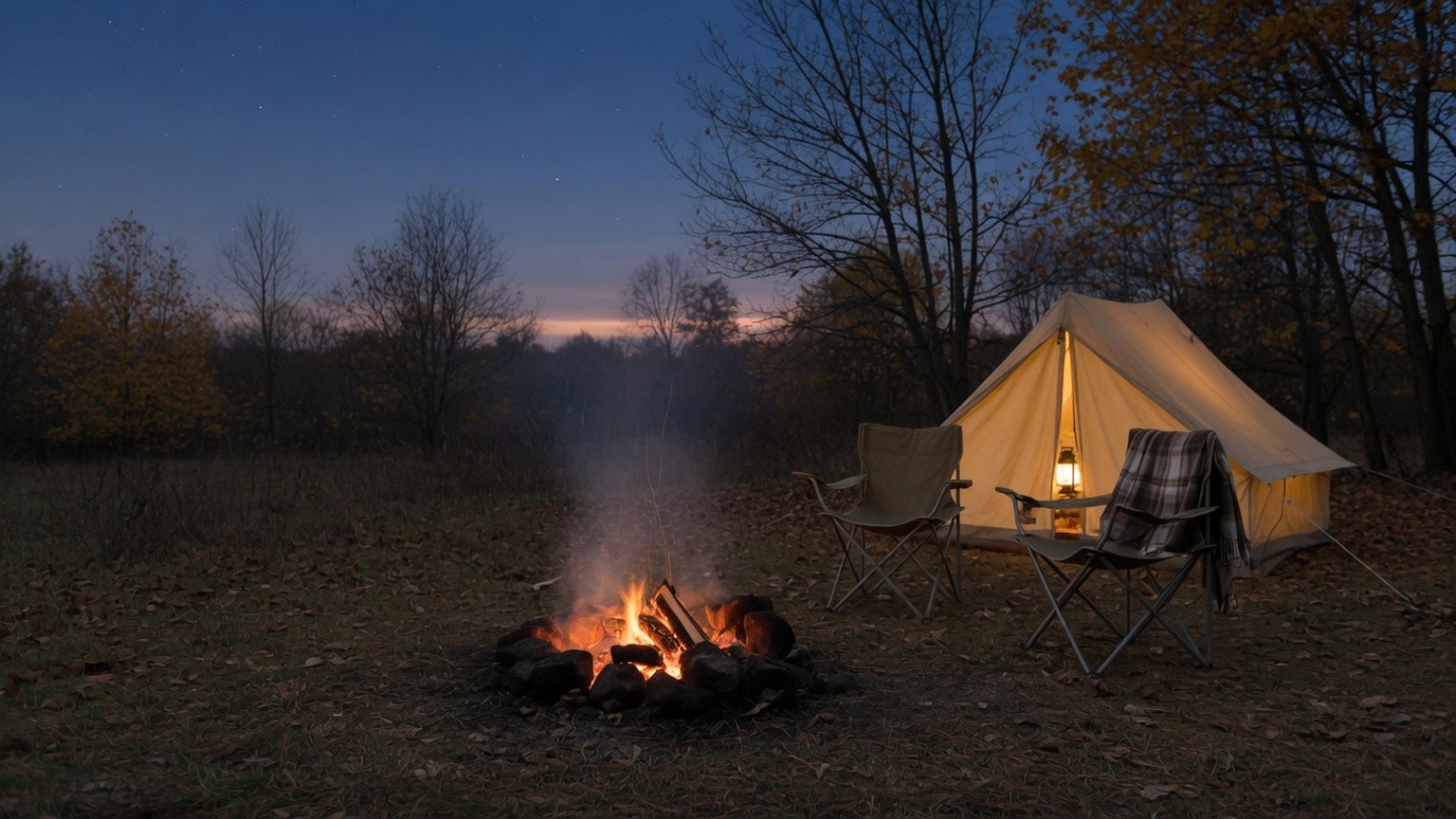
There is a particular magic to a campsite after the sun goes down early. By late September, twilight arrives sooner, the air sharpens, and the woods go quiet in a way they never do in July. Crisp-night camping is not about enduring the cold — it is about leaning into the best hours fall has to offer. Once you plan for the darkness instead of fighting it, those long evenings become the whole reason to go.
This is the season when a campfire feels earned, when a hot mug warms your hands, and when the night sky shows off before you are even ready for bed. Here is how to make the most of crisp nights on your next trip, from planning around the early sunset to the after-dark adventures worth staying up for.
Why Crisp Nights Are the Best Nights
Summer camping has its own charm, but it comes with trade-offs: heat that keeps you awake, bugs that never quit, and a sunrise that arrives before you have had enough sleep. Fall flips the script. Cool, dry air settles in after dark, mosquitoes thin out to almost nothing, and sleeping temperatures finally cooperate. For many campers, the first genuinely good night of sleep of the season happens in October.
There is a reason so many people say their favorite trips happen in late September and early October. The days stay mild enough for hiking and paddling, while the nights are cool enough that a campfire and a warm sleeping bag feel like luxuries rather than a necessity. Dark skies also arrive earlier in fall, which means you do not have to stay up until midnight to see a sky full of stars. The whole rhythm of the evening shifts in your favor.
Plan Around the Early Sunset
The single biggest mistake first-time fall campers make is forgetting how early the light goes. By late September, the sun can set well before 8 p.m. in much of the country, and full dark follows within about an hour. That is a gift, not a problem — but it does change how you plan the day. Treat sunset as the anchor of your schedule and build everything else backward from it.
A few habits make crisp-night trips run smoothly:
- Set up camp earlier than you think you need to. Arriving with two hours of daylight left means you pitch the tent and stack firewood without a headlamp.
- Cook and eat before dark. A warm dinner at dusk beats fumbling with a stove in the cold after nightfall.
- Lay out layers and headlamps before sunset. Nobody wants to dig through a pack in the dark for a fleece or a spare set of batteries.
- Check the forecast for the overnight low, not the daytime high. Temperatures can drop forty degrees from afternoon to dawn in dry fall air.
- Have a plan for the last hour of daylight. That is when you want everything — water, firewood, the coffee pot — already within reach.
After-Dark Adventures Worth Staying Up For
Once the sun is down, the trip is really just getting started. Fall's cooler, clearer nights open up a whole second half of the day that most summer campers never see. The key is to keep these activities simple and low-stress, so the darkness feels like an invitation rather than a chore.
Take a short night hike
Stick to a familiar trail or a flat forest road, bring a headlamp plus a backup light, and keep the walk short — thirty to forty-five minutes is plenty. The point is not distance; it is how different the same woods feel once your eyes adjust to the dark. Listen for owls, feel the temperature drop in the low spots, and let the quiet settle in around you.
Go stargazing without staying up late
Early fall darkness is perfect for skywatching, because you can catch a full show and still be in your sleeping bag at a reasonable hour. Bring a blanket, a hot thermos, and a red light to protect your night vision. If you are new to it, our stargazing essentials cover the gear that actually helps and the habits that make a night under the stars more comfortable.
Watch for wildlife at dusk and dawn
The hours around sunset and sunrise are when the woods are busiest with animals. Sit still near a meadow edge or a water source and you may be rewarded with deer, foxes, or the quick flash of a bat overhead. Quiet observation is the whole game — our wildlife watching tips will help you spot more without disturbing anything. Keep a respectful distance and store food properly so you never invite wildlife into camp.
Stay Warm Without Overpacking
Comfort on a crisp night comes down to staying dry and dressing in layers. Start with a moisture-wicking base layer, add an insulating fleece or a light down jacket, and finish with a windproof shell. Keep a hat and a pair of dry socks reserved just for bedtime — warm feet are the difference between a great night's sleep and a very long one.
For sleeping, check the temperature rating on your bag and pad and plan for the overnight low rather than the day's average. A sleeping pad with a solid R-value matters as much as the bag itself, because the cold ground will pull heat out of you all night long. If you are camping in a tent or a camper and expect a real cold snap, our guide to insulating a tent for cold nights walks through the simple upgrades that make the biggest difference.
Fuel the Night: Warm Food and Drinks
Nothing sets the tone for a crisp evening like something hot in your hands. Plan a warm drink for the moment the sun drops: spiced cider, hot chocolate, or a proper cup of coffee. If you need help dialing in a good brew at camp, our guide to making coffee while camping has you covered.
Dinner can be as simple or as ambitious as you like. A one-pot stew, a pot of chili, or a Dutch oven bake warms the whole site and keeps you near the fire while it cooks. When you are ready for dessert, a campfire cobbler or a batch of roasted apples finishes the night on a sweet note. The goal is food that rewards you for staying outside a little longer.
The fire itself is part of the ritual. Build a small, steady blaze, keep a stack of dry wood nearby, and let the coals carry you into the evening rather than feeding a giant flame. A fire that is easy to tend is a fire you can actually enjoy, and it will keep glowing long after the plates are cleared.
A Few Safety Basics for Darker Nights
Cold nights and early darkness call for a little extra care. Tell someone your plan, carry two light sources, and know how to layer up before you get cold rather than after. Keep food stored properly so you do not invite animals into camp, and never leave a fire unattended. A first-aid kit and an extra blanket in the car are cheap insurance against a night that turns colder than you expected.
Make Crisp Nights Your New Favorite Season
Fall camping rewards the campers who plan for the dark. Arrive early, layer up, cook something warm, and let the early sunset give you a longer evening around the fire and a better view of the stars. Once you have spent a night under that cool, clear sky, you may find yourself counting down to the next one. Happy glamping.