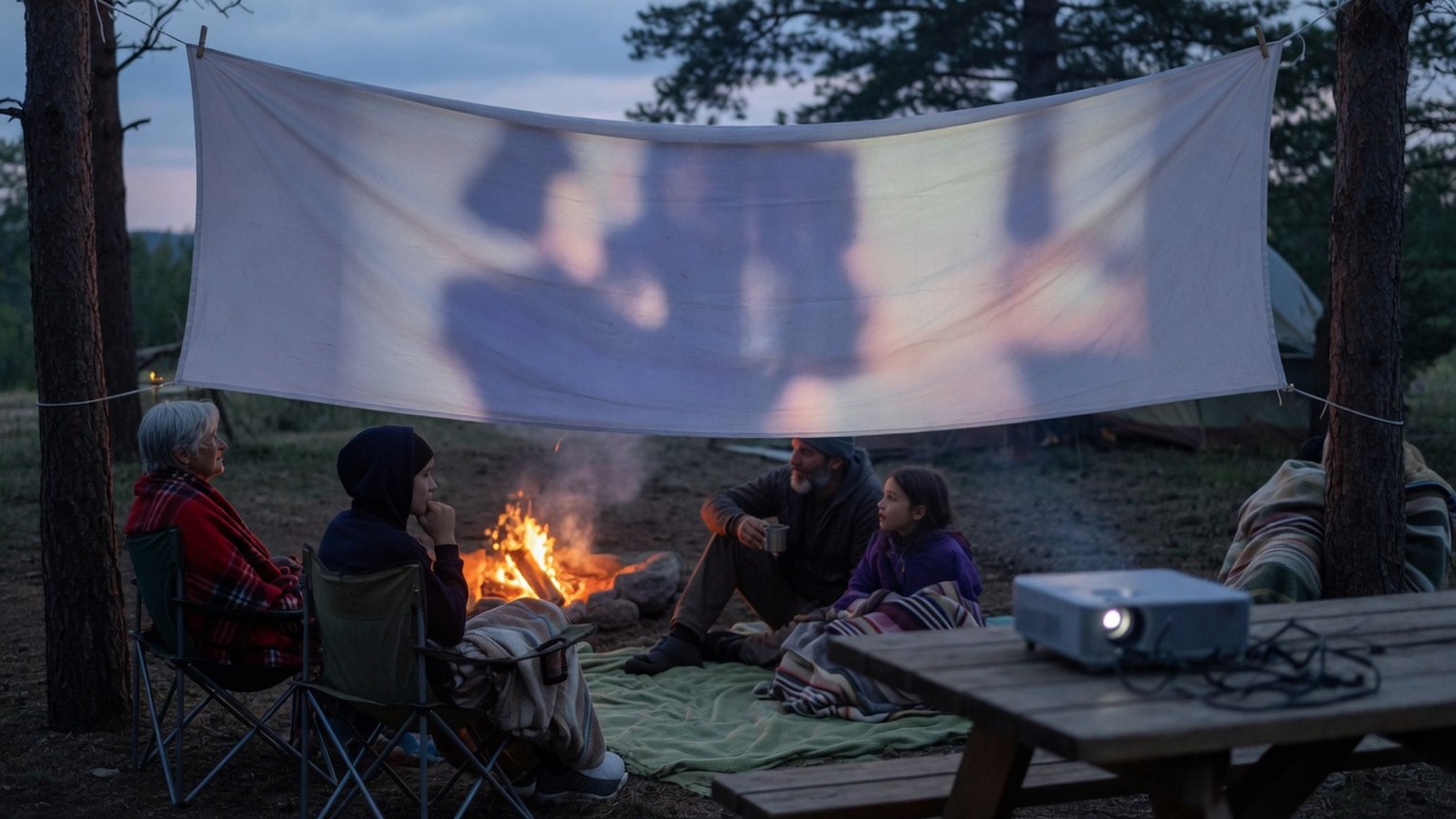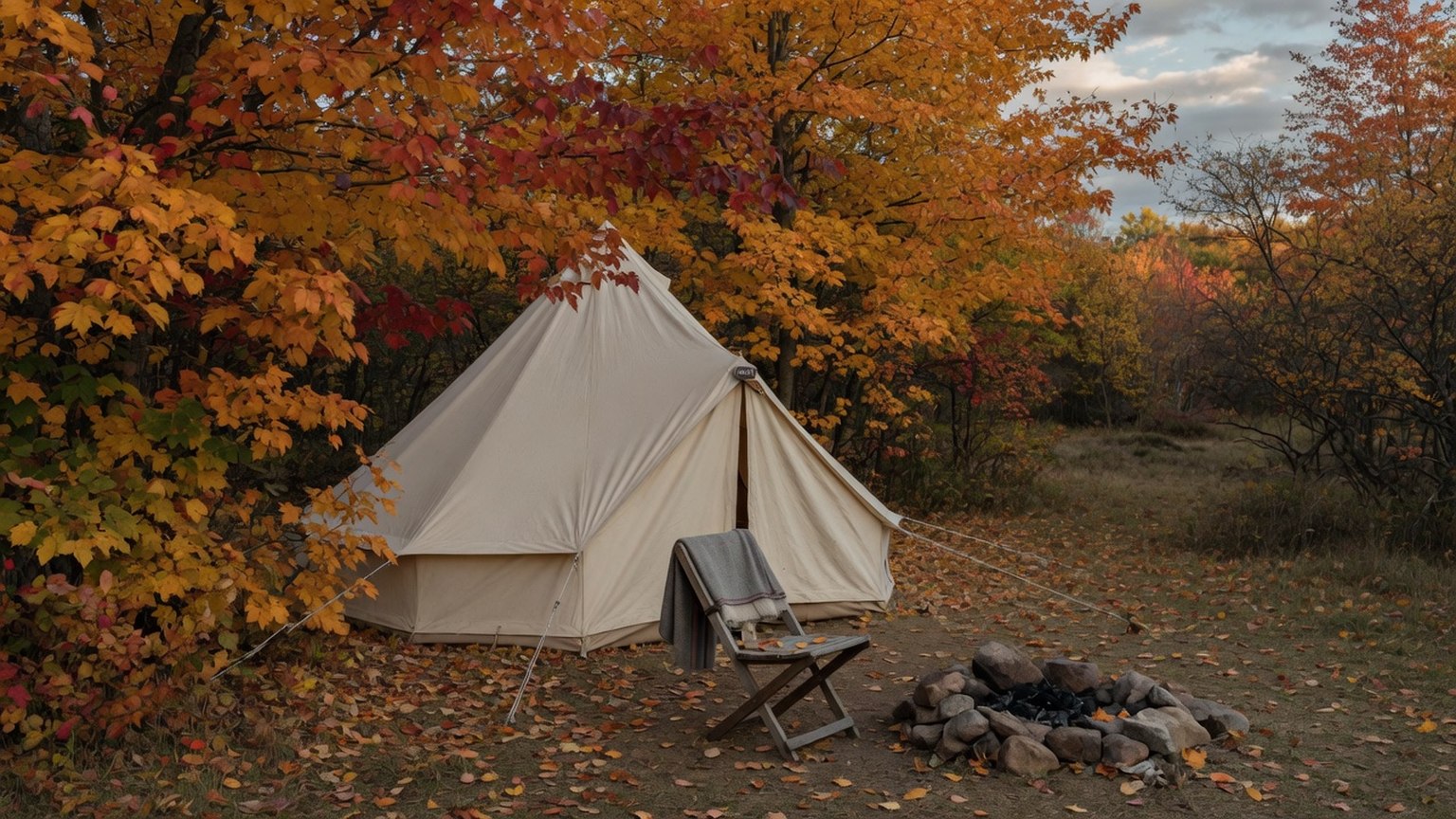
There is a week or two every autumn when the mountains catch fire — gold, orange, and red rolling across the ridgelines — and then it is gone. Leaf season is short, which is exactly why it makes such a great excuse for a trip. And for our money, there is no better way to see it than from a camp chair: coffee in hand, color overhead, and a warm bed just steps away when the temperature drops. If you have been thinking about a fall foliage adventure, here is how to plan one that actually delivers.
When and Where the Leaves Turn
Color follows elevation and latitude. In a typical year, the show starts in the highest, northernmost forests in late September, then creeps downslope and southward over the next few weeks. New England usually hits its peak from late September through mid-October, the Blue Ridge follows in early to mid-October, and southern Appalachian valleys and the Ozarks can still be glowing into late October. If you miss the peak at one spot, dropping to a lower elevation or driving south usually buys you another week of color.
Because the window is narrow, the smartest move is to book around the calendar, not the forecast. Aim for a trip in the middle of your region’s typical window, keep an eye on the foliage reports in the weeks before you leave, and stay flexible on the day-to-day route. The forest does not turn all at once — a good adventure weaves between valleys and ridgetops to catch every stage of it.
You also do not have to travel far to find the show. State parks and national forests within a few hours of home put on a display most people never see, because everyone races to the famous spots at the same time. Watch the local foliage reports in the weeks ahead and let them point you toward the underrated hollows, lake shores, and river valleys where the color tends to linger a little longer.
Choose a Base Camp With Color at the Doorstep
Fall foliage trips reward slow mornings and golden evenings, which is why a base camp beats a marathon drive every time. Glamping shines here: no tent-pitching in the dark, a real bed for cold nights, and all your daylight hours free for wandering. In New England, staying put at one of the glamping sites in Vermont puts you right in the middle of sugar-maple country. Farther south, glamping around Asheville sets you up for the Blue Ridge Parkway, where the color comes in waves all October.
Two practical notes. First, book early — foliage weekends fill up weeks ahead, and the best sites go first. Second, go midweek if you can. The leaves are the same on a Tuesday, but the overlooks, trailheads, and country roads are far quieter, and midweek rates are usually gentler too.
Leaf-Peeping Hikes and Scenic Drives
The classic mistake is to do all your leaf-peeping from a windshield. Scenic drives are wonderful — parkways and forest roads were built for exactly this — but the color is best up close. Plan a mix: one morning on a famous overlook route for the big panoramas, and one afternoon on a trail where you walk through the color instead of past it. Short loop hikes to ridges, lake overlooks, and waterfalls give you the payoff without eating the whole day.
Some routes are famous for a reason. The Blue Ridge Parkway and New Hampshire’s Kancamagus Highway thread straight through some of the best color in the country, but any national forest with an overlook road will do. If you drive one, build in stops instead of rushing — pull off at the overlooks, pack a picnic lunch, and take the short spur trails that lead away from the parking lots. Those little detours are where the quiet moments happen.
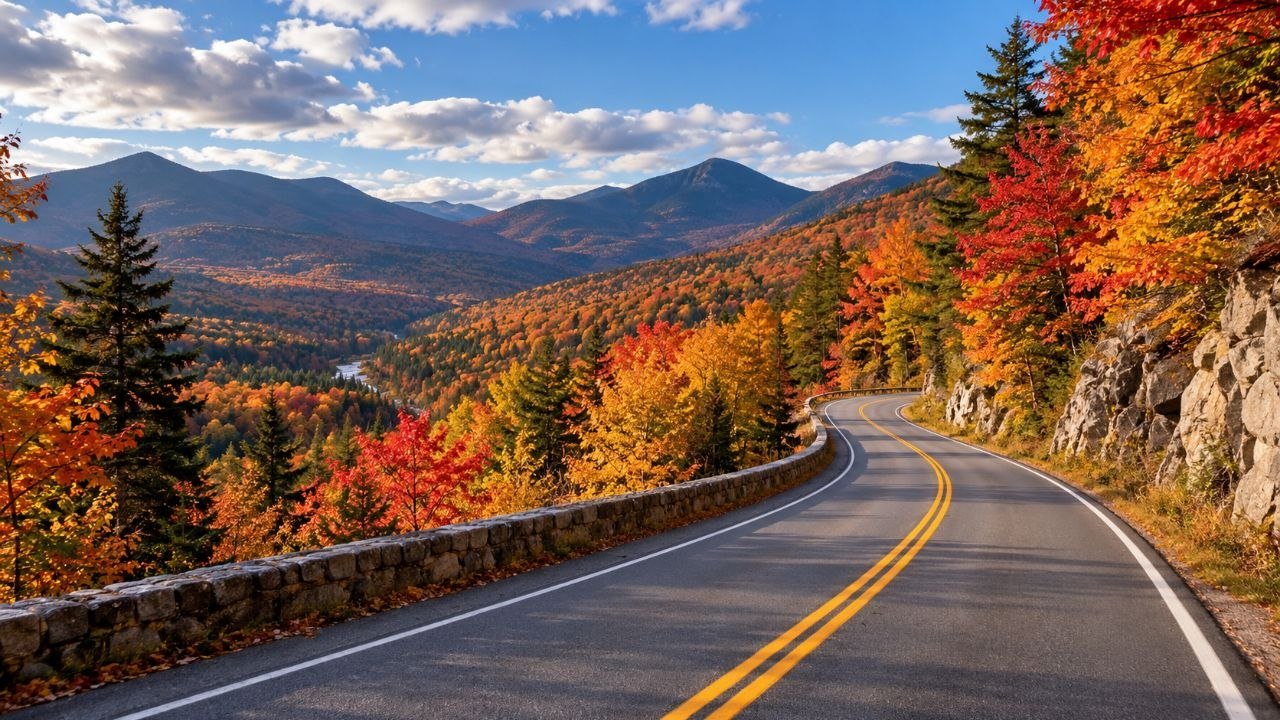
Light matters more than most people expect. Early morning and late afternoon, when the sun is low, makes the oranges and golds practically glow; midday sun washes them out. Overcast days are secretly great too — soft light makes reds and purples look richer, and the color stays saturated all day. Fall is also prime time for wildlife: elk bugle in the Smokies, deer move at dusk, and migrating birds pause along the ridges. If spotting them is part of the fun, our wildlife watching tips will help you do it without spooking anything.
Crisp Nights Are Half the Fun
Here is the thing about fall camping that surprises first-timers: the days are gorgeous, and the nights are where the real magic happens. Cool, dry autumn air means some of the clearest skies of the year, and the stars come out early since the sun sets sooner. After dinner, pull your chair close to the fire, add a layer, and just look up. The Milky Way is a fall fixture in dark-sky areas, and you do not need any gear to enjoy it — though if you want to bring home more than a memory, our night sky photography guide walks you through your first attempts.
Those same crisp nights are also a reminder that your warm-weather sleep setup probably is not enough anymore. A cold night in an under-rated bag is the fastest way to kill a foliage trip, so check your gear before you go.
Packing for Shoulder-Season Weather
Fall weather swings more than any other season — a 75-degree afternoon can turn into a 40-degree night, and mountain weather changes fast. Pack in layers and plan for the cold end of the forecast:
- A warm sleep setup — a bag rated for colder than you expect, plus a sleeping pad with decent insulation
- Base layers and a mid-layer fleece, with a waterproof shell in the car for surprise showers
- A beanie and gloves — the two cheapest comfort upgrades in camping
- A headlamp with fresh batteries, because the nights get long in October
- An insulated mug so your evening tea stays hot by the fire
- Fire-starting help — damp autumn wood can be stubborn, and a few dry starters save the evening
One more thing we always toss in: a camp chair and a blanket dedicated to sitting by the fire. Fall evenings are long and beautiful, and you will want to be comfortable while you watch them.
Plan Your Leaf-Peeping Adventure Before the Color Fades
Leaf season does not wait for anyone, but the good news is you still have time. Pick your region, aim for the middle of its color window, book a base camp with a bed, and leave room in the schedule for slow mornings and golden evenings. Whether you chase sugar maples in New England, drive the Blue Ridge, or find a hidden hollow closer to home, a fall foliage trip is the adventure that keeps you warm all winter — in memory, at least. Happy glamping, and go find some color.