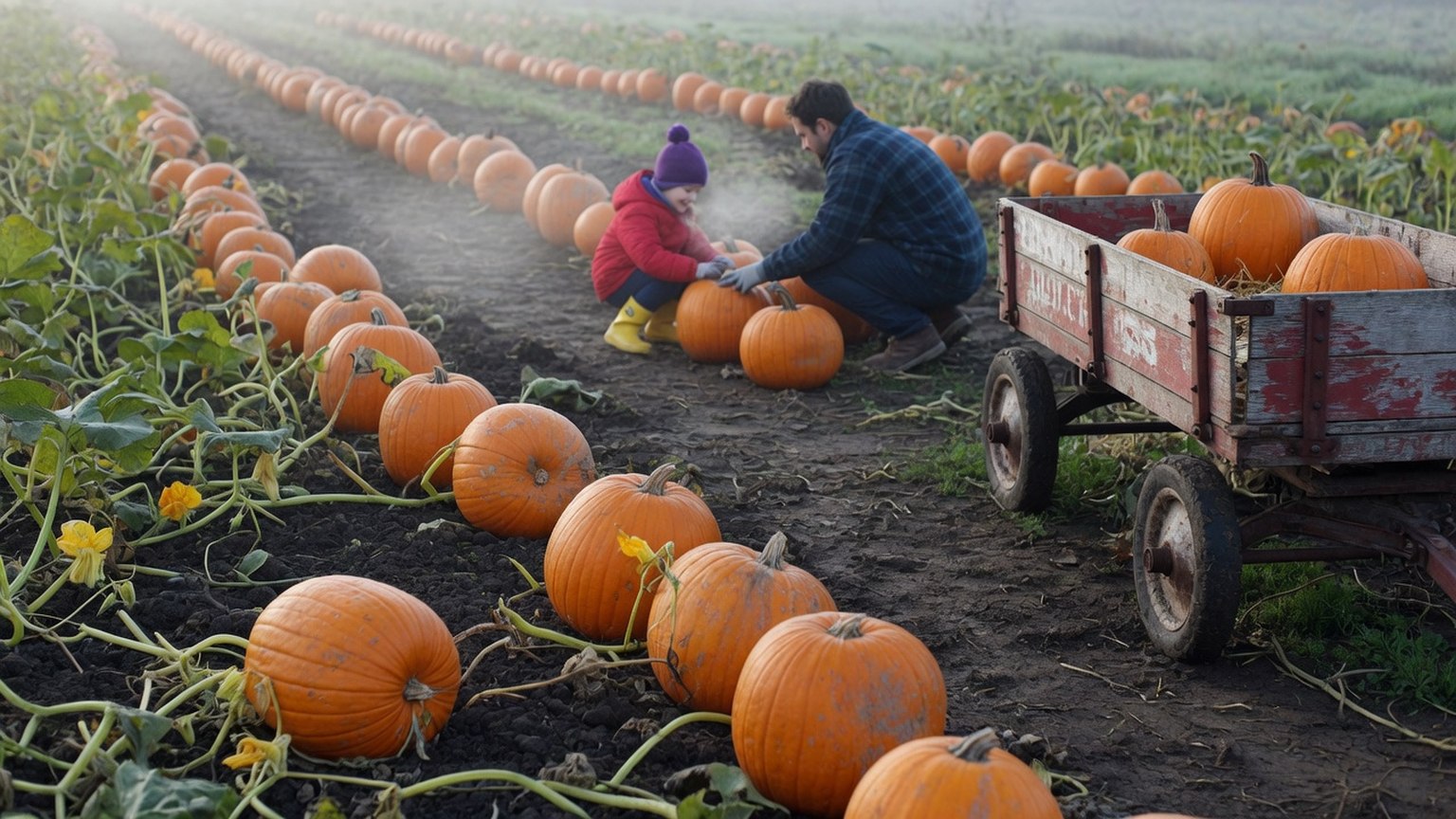
Every October, families load up the car and head for the nearest farm stand, and for good reason: there is nothing quite like a pumpkin patch on a crisp fall morning. The trouble is that a two-hour outing rarely feels like enough. This year, why not build an entire glamping weekend around it? A pumpkin patch trip pairs beautifully with a night under the stars, and it gives your fall camping plans a purpose that everyone in the group can get behind.
Here is how we plan a harvest-season getaway that puts the farm at the center of the fun — and still leaves plenty of room for the fire, the roasted seeds, and the kind of slow morning that makes glamping worth it.
Why Pumpkin Patch Season Is Prime Glamping Season
October sits in a sweet spot. Summer’s heat has finally broken, the crowds have thinned at most campgrounds, and the nights are cool enough to make a campfire feel like a gift rather than a chore. Many private campgrounds and glamping resorts run shoulder-season rates through the fall, which means you can often book a nicer site or a heated cabin for less than you would pay in July.
Harvest season also gives your trip a built-in rhythm. Instead of wandering aimlessly, you have a destination for the morning, a picnic for the afternoon, and a fire waiting at camp by dusk. For families with young kids, that structure is worth its weight in gold — everyone knows what comes next, and nobody runs out of things to do.
There is a practical side, too. Pumpkins are heavy, and a day spent hauling them around is a day better followed by a comfortable bed than a cramped car ride home. Sleeping near the farm means you can take your time, buy more than you meant to, and not worry about how everything will fit in the trunk.
How to Plan a Pumpkin Patch Trip
Start by choosing your farm before you choose your campsite. Look for working farms that welcome visitors in October and pair them with a campground within a thirty- to forty-five-minute drive. That short distance matters: you want to spend your time at the patch, not on the road.
A few things are worth confirming before you go:
- Do they charge admission, or is it pay-per-pumpkin?
- Are there hayrides, a corn maze, or a petting zoo — and do those cost extra?
- Do they allow dogs, and are leashed pets welcome around the animals?
- Are there bathrooms, a farm stand, and somewhere shaded to eat?
- What are the weekend hours, and when is the quietest time to arrive?
Weekday mornings are almost always the calmest. If you can swing a Friday or a Monday, you will have the rows largely to yourself and the best pick of the pumpkins. On weekends, plan to arrive right at opening; by late morning the parking lot fills and the hayride line stretches down the fence line.
It also pays to think about weather. Fall days can swing twenty degrees between morning and afternoon, so check the forecast the night before and plan your layers accordingly. If rain is in the picture, look for a farm with a covered barn or a greenhouse — some of the best pumpkin displays are indoors anyway.
Making a Full Day of It
Once you are there, slow down. The best pumpkin patch days are unhurried, and there is more to do than pick a gourd.
Hunt for the right pumpkin
Look for a pumpkin with a firm stem and no soft spots. A good stem is both a handle for carving and a sign the pumpkin was cut recently. Skip anything with bruises or mold, and set your picks in the shade until you are ready to load up. If you plan to cook, smaller sugar pumpkins have denser, sweeter flesh than the giant carving varieties.
Ride the hayride and tackle the maze
Hayrides are the classic farm activity, and a corn maze is a genuinely good time for older kids and adults. Wear closed-toe shoes — mud is a real possibility after fall rain — and bring a light jacket for the ride out to the field. A simple rule for the maze: split into teams, set a meeting time, and keep phones charged in case someone gets turned around.
Turn the patch into a scavenger hunt
If you want to spark a little friendly competition, give everyone a list before you split up: the smallest pumpkin, a perfect one, one with a curly stem, and something the color of a sunset. It is the same energy as the games we suggest in our guide to unique and fun camping activities, and it keeps even the most reluctant kid engaged for the whole visit.
Back at Camp: Pumpkin-Themed Evening Fun
The fun does not stop when you leave the farm. Back at your site, a pumpkin is a craft project and a dessert all in one.
Painting pumpkins is simpler and less messy than carving, and it works for every age. For a spooky-in-a-good-way evening, hand out glow sticks and let the kids decorate the picnic table, then gather everyone for the classic group games in our roundup of camp games for large groups. When it is time to settle in, roast pumpkin seeds over the coals: rinse them, toss with a little oil and salt, and toast until golden and crisp.
Roasting pumpkins is another easy win. Halve a sugar pumpkin, scoop the seeds, and set the halves cut-side down over indirect heat until the flesh is tender. Scoop it out, mash it, and you have the start of a campfire soup or a simple pie filling. It is a satisfying way to use the whole pumpkin instead of just the shell.
And if you like a campsite that feels like home, a little seasonal decorating goes a long way. A few signs, a string of lights, and a pumpkin by the step are often all it takes; our ideas for DIY campsite signs are a fun place to start.
What to Bring and How to Keep It Simple
A pumpkin patch weekend does not require much gear, but a few things make the day smoother:
- Bring a wagon or a sturdy tote for hauling pumpkins from the field
- Pack a picnic lunch so you are not stuck buying overpriced snacks
- Layer your clothing — fall mornings are cold and afternoons warm up fast
- Bring some cash, since a few smaller farms still do not take cards
- Keep a blanket and a thermos in the car for the ride back
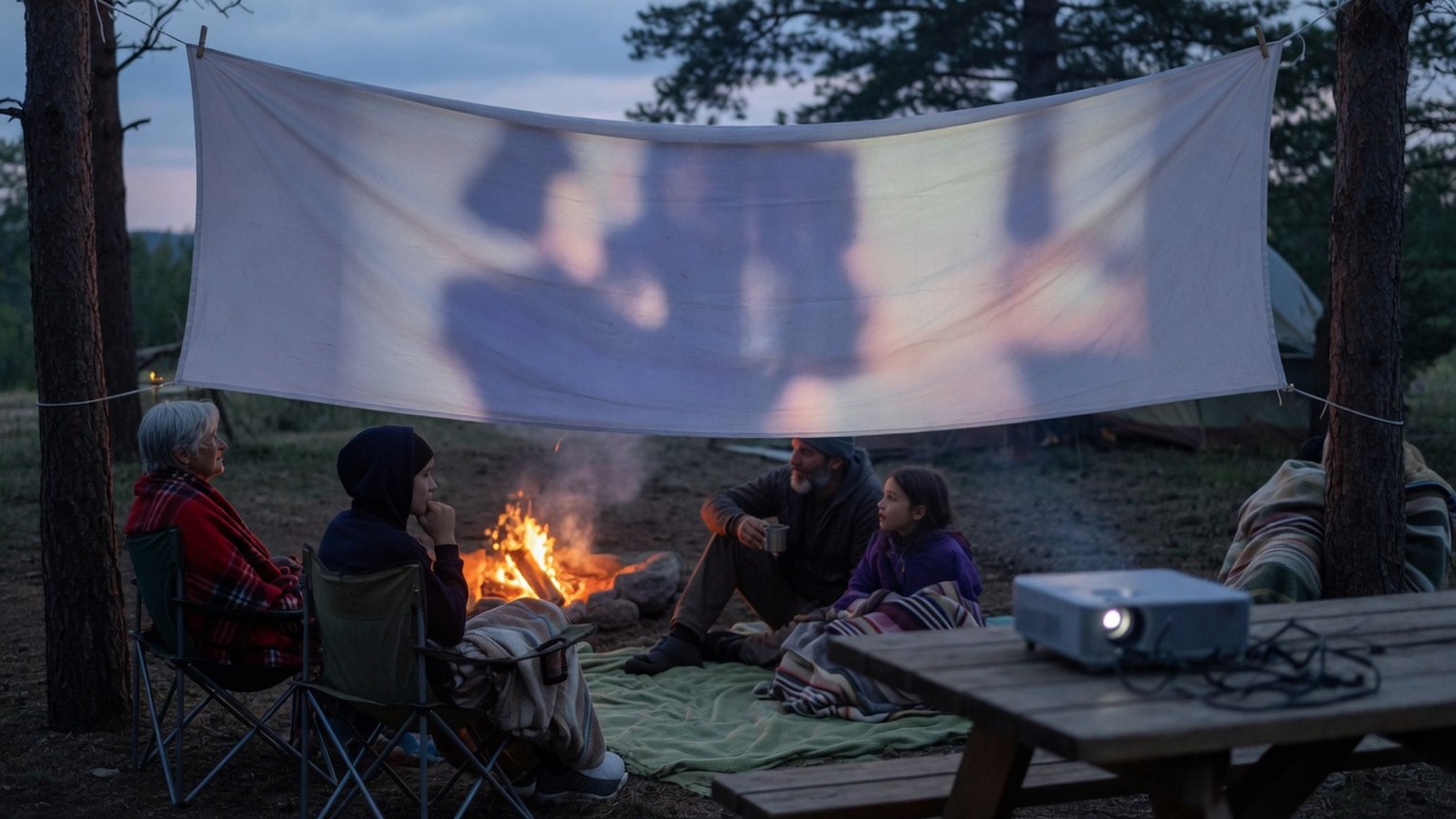
If you are glamping rather than tent camping, you already have most of the comforts covered. A heated cabin or a well-insulated yurt means you can linger by the fire long after the temperature drops, and mornings are warm enough to enjoy coffee outside instead of huddling in the car with the heater running.
Respect the Farm
Remember that most pumpkin patches are working farms, not theme parks. Stay on the paths through the fields, keep kids from climbing equipment, and do not let dogs chase the animals. Buying from the farm stand is one of the easiest ways to support the people who grow the food you are there to enjoy. The same mindset that makes Leave No Trace camping work outdoors applies here: leave the place a little better than you found it, and the farm will be glad to welcome you back next year.
Make It a Fall Tradition
There is something quietly perfect about a fall weekend that begins with a hayride and ends with a campfire. The pumpkins come home, the photos pile up, and the season’s best memories get made in a single trip. Book a site near a working farm, pack for cool nights, and let the harvest season do the rest. Happy glamping — and happy October.