By late September most campground owners know the pattern: the summer rush is behind you, the leaves are turning, and the calendar has more open weekends than you would like. Shoulder season is not a slow month you have to survive. It is one of the best windows on the whole calendar for event-based bookings, because your guests are already looking for something to do, and fall hands you a theme for free. The owners who fill October do it with a calendar, not a discount.
Fall events work differently from summer programming. Campers are not there to swim and lounge; they want a reason to gather. Give them one — a harvest weekend, a chili cook-off, a trick-or-treat trail — and a quiet weekend fills up because a family booked around it. If you already follow the broader playbook of maximizing profits year-round, events are the piece that makes the fall quarter pull its weight.
Why Fall Events Beat Fall Discounts
A discount tells guests your property is worth less in October. An event tells them it is worth a special trip. Those are very different messages, and only one of them protects your rate. Event weekends also sell add-ons your guests would never request in July: a pumpkin for the site, a s'mores kit, a hayride seat, a bundle of firewood with a chili dinner ticket. Revenue per guest climbs without touching your nightly rate.
Events also do your marketing for you. Photos from a well-run harvest weekend travel through local groups, neighborhood pages, and guest feeds. That is earned reach you could not buy, and it keeps working every time someone searches for something to do in your county in October.
Seven Fall Events That Book Well
1. Harvest festival weekend
Partner with a nearby farm or orchard and build the weekend around the season: a pick-your-own trip, a decorating table at the pavilion, and a simple shared dinner. You supply the gathering place; they supply the produce and the story. It works because it is genuinely local rather than a program you imported.
2. Pumpkin carving and site decorating contest
Cheap to run, easy to photograph, and it turns every site into a display. Guests vote for their favorites and the whole campground spends the evening walking the loop. Offer a small prize and a running trophy; people remember trophies, and they come back to defend them.
3. Chili or soup cook-off
Guests bring a pot, you provide bowls, cornbread, and a fire. A small entry fee can fund a charity or the next event on your calendar. It is a low-effort way to fill a Saturday with an experience nobody forgets.
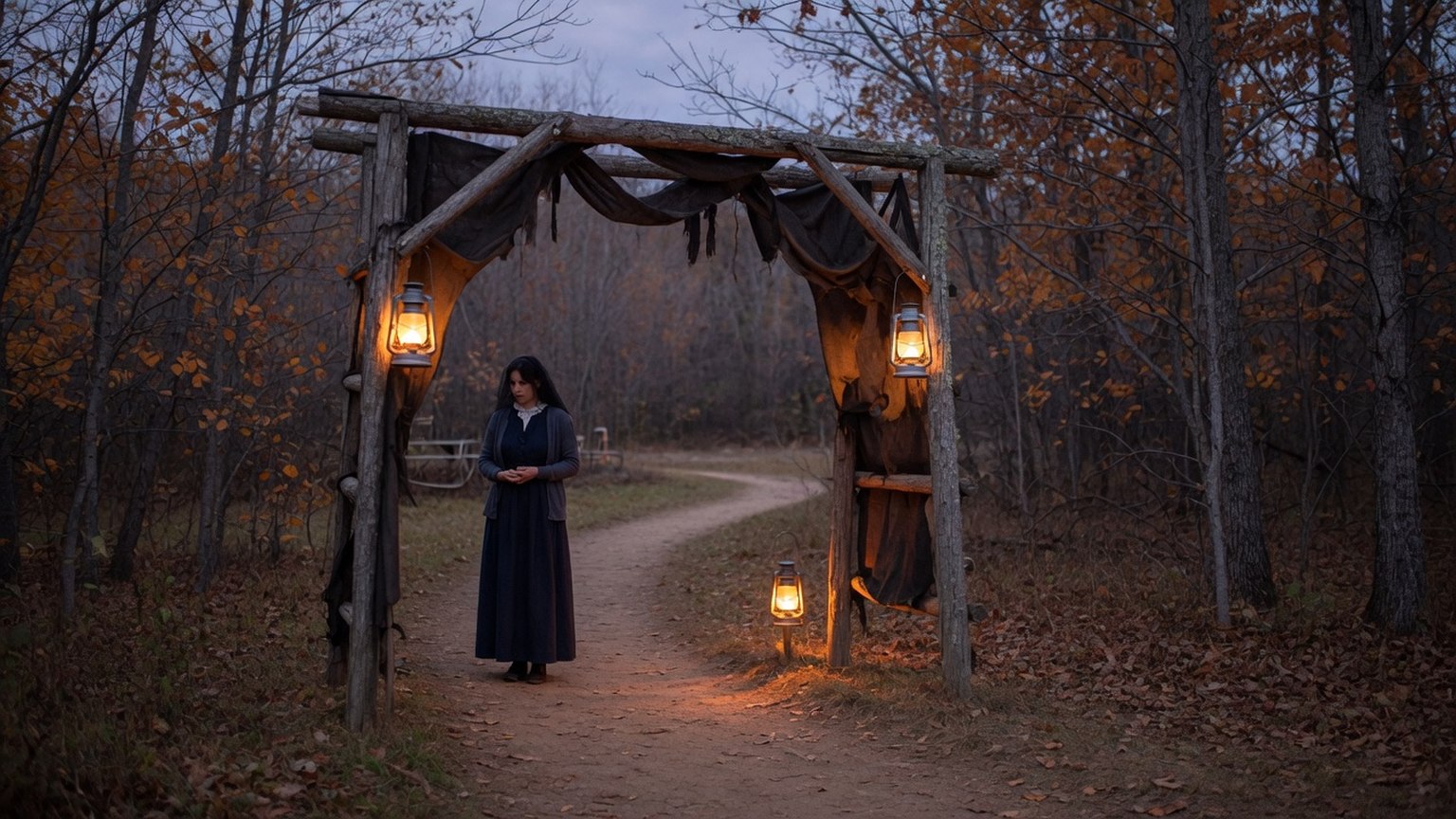
4. Trick-or-treat trail
This is the single biggest fall draw for family campers. Decorate an easy loop, invite guests to hand out candy from their sites, and set firm hours. Add the safety basics: reflective markers, a marked route, no vehicle traffic during the window, and an adult-led escort for younger kids.
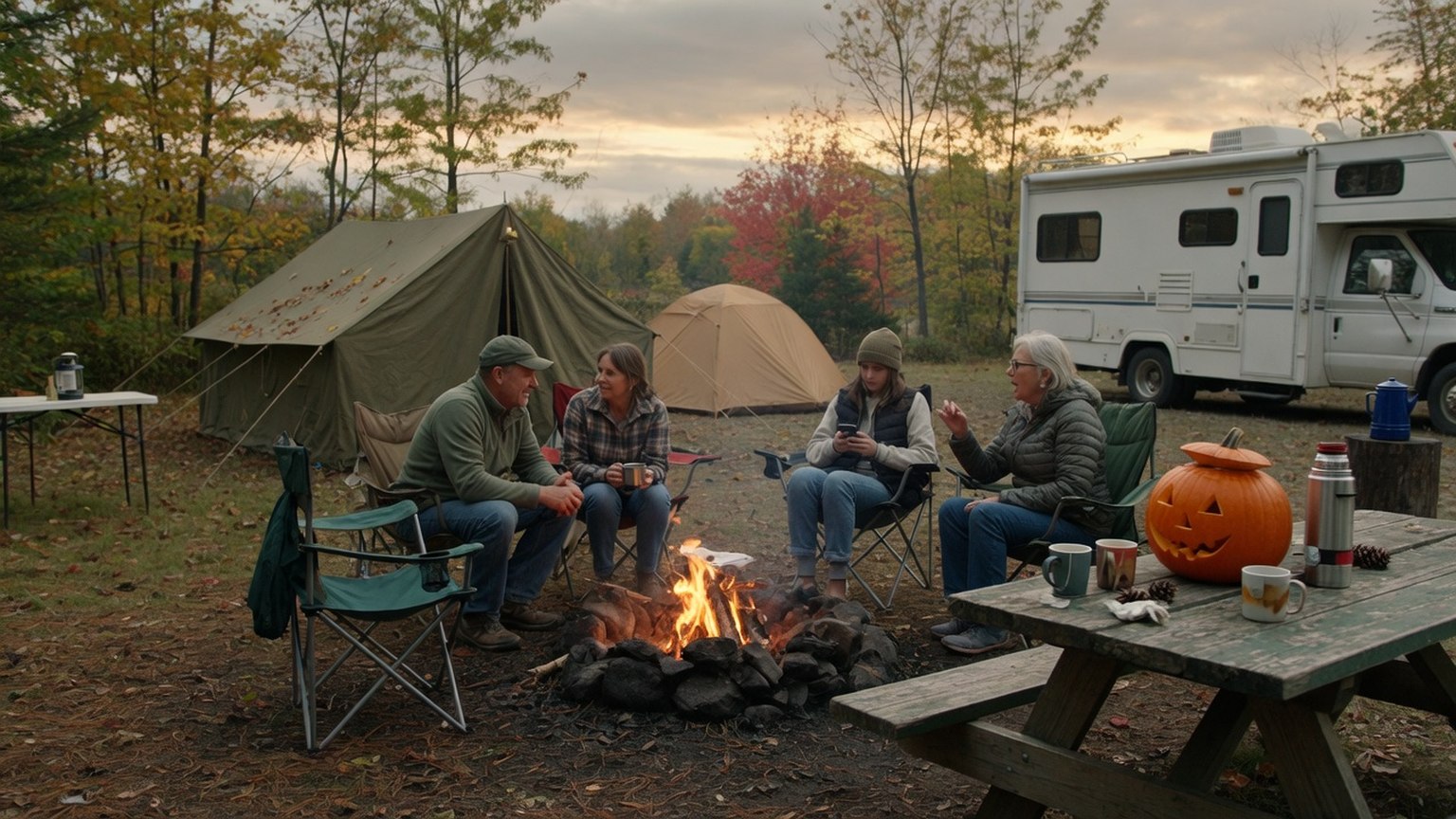
5. Hayride and bonfire night
A tractor, a trailer, some straw bales, and a storyteller are enough. Finish at a fire pit with hot cider. It is the kind of evening that makes a family book the same weekend next year without being asked.
6. Movie night under the stars
A projector, a white sheet or inflatable screen, and a family-friendly film. Throw in popcorn and spare blankets. It gives parents a relaxed evening and adds a second reason to stay through Saturday night instead of leaving after lunch.
7. Fall photography walk
Pair with a local photographer for a golden-hour walk, or run it yourself. Guests leave with images of your property, which is the most useful marketing you can get. It also appeals to couples who are not looking for a festival weekend but will happily pay for a peaceful one.
Price and Package It Like a Product
Do not bury an event in a discount. Build a simple package: two nights, the event, and two or three add-ons, priced as one unit. Guests compare packages rather than line items, and a package signals that you organized something worth arriving for.
Sell tickets to day visitors for the public parts of the weekend if your zoning and insurance allow it. That is a direct way to replace site revenue on a shoulder weekend, and it puts new people on your property who may book a stay later. Check local rules first, and keep separate wristbands for day and overnight guests so the camping experience stays intact for the people paying to sleep there.
Details are where this succeeds. Our guide to creating unforgettable guest experiences covers the small touches — a handwritten welcome note, a warm greeting at check-in, a stocked firewood bundle — that turn a nice weekend into a story guests retell.
Plan the Season, Not the Weekend
Strong fall revenue comes from a published calendar. Pick four to six weekends, spread them across the season, and give each one a name and a one-line promise. Publish it in August, before school schedules are locked. Guests plan fall trips early; if your calendar appears in October, you are already selling into someone else's plans.
- Publish a simple events page with dates, prices, and what is included
- Email past guests first — they convert far better than cold traffic
- List each weekend on local event calendars and community pages
- Give repeat guests first pick of sites or an early booking window
- Keep one rain plan per weekend so a wet Saturday does not sink the booking
Staffing, Safety, and the Small Details
Fall events live or die on staffing. Ask your summer team now who wants extra hours in October, and cross-train so one person is not holding the whole weekend together. Assign clear roles — check-in, activity lead, parking, cleanup — then write them down so nobody has to guess on a Saturday morning.
Safety deserves a moment of thought before the fun starts. Check your local burn ban status before building any fire, keep candy and food sealed away from wildlife, post quiet hours clearly, and walk your route after dark to see it the way a guest will. A lit, well-marked loop prevents most of the problems you would otherwise spend the weekend solving.
One more opportunity: fall events are the best excuse you have to work with local businesses. Cideries, farms, bakeries, and photographers all want the visibility, and they bring an audience with them. Building those relationships now sets up next season, which is exactly what our post on local partnerships is about.
Measure It, Then Repeat It
After each weekend, write down what worked. Occupancy compared with the same weekend last year, revenue per site, add-on sales, and how many guests asked about next year's dates. Two or three numbers are enough. Then double down on the winners and quietly retire the rest.
Between events, the ideas in our guide to unique promotion ideas fit shoulder season especially well, because they lean on stories and photos rather than paid reach.
Shoulder season rewards owners who decide in advance what fall is for. Pick your weekends, name them, package them, and tell your guests early. A campfire, a hayride, and a pot of chili will fill more sites than a price cut ever will. Happy glamping — and here is to a busy October.