Every glamping owner knows the rhythm. Summer books itself — the calendar fills, the phone rings, and the campfire never seems to go out. Then autumn arrives, the crowds thin, and the bookings go quiet right when the weather turns genuinely perfect. That quiet stretch is the fall shoulder season, and it is not a dead zone. Treated well, it is one of the most profitable and enjoyable parts of the year.
The shoulder season rewards planning far more than peak summer ever does. Summer demand shows up on its own; fall demand has to be invited. The good news is that the playbook is refreshingly practical: price smart, build packages people actually want, and tell a story that makes a crisp October weekend sound better than a crowded July one. Here is how to make the fall shoulder work for your property.
Why the Fall Shoulder Season Deserves a Real Plan
Demand does not disappear in autumn, it changes shape. The families who filled your summer are back in school, but three other groups are just getting interested: couples looking for a quiet weekend, remote workers who want a change of scenery, and locals who would rather camp close to home than fight holiday traffic. Add leaf-peepers and anyone chasing the first cool, bug-free nights, and you have a genuinely different guest mix — one that many operators never bother to court.
Fall is also the cheapest season to sell. Your fixed costs — the mortgage, the insurance, the staff you keep on — are already covered, so every autumn booking lands close to pure margin. You do not need to fill every night to come out ahead. Filling a handful of midweek gaps can be the difference between a season that limps to a close and one that sets you up for a strong spring. If you remember only one idea from this piece, make it this one: an empty fall night earns nothing, so a modest, well-placed offer beats an empty site every single time.
Price Weekdays Boldly and Protect Your Weekends
The biggest mistake we see is blanket discounting. Cut every rate across the board and you train guests to wait for a deal, while giving away your best nights at your worst price. A smarter approach is to treat weekdays and weekends as two different products with two different jobs.
Weekday nights are where autumn opportunity lives. A clear midweek rate — pitched well below your weekend number, but still profitable — gives the quiet nights a reason to sell. Keep weekends priced where they belong, and if demand is strong, require a two- or three-night minimum so a single Friday does not block a full weekend booking. Guests rarely resent a smart structure; they resent feeling like they paid peak prices for an off-peak stay. For a deeper look at how the seasons shape your numbers, our guide to maximizing profits year-round is a useful companion read.
Build Packages Around What Fall Guests Actually Want
Packages do the selling for you. They bundle an experience, justify a slightly higher total, and turn a vague question about getting away into a specific, bookable plan. A few themes tend to work almost anywhere.
Foliage and photo weekends
If your region turns color, that is your headline. Time a package to your local peak, include a printed or digital map of nearby overlooks and short hikes, and maybe leave a thermos of coffee on the deck at sunrise. Photographers and couples will book it for the view alone.
Halloween and harvest nights
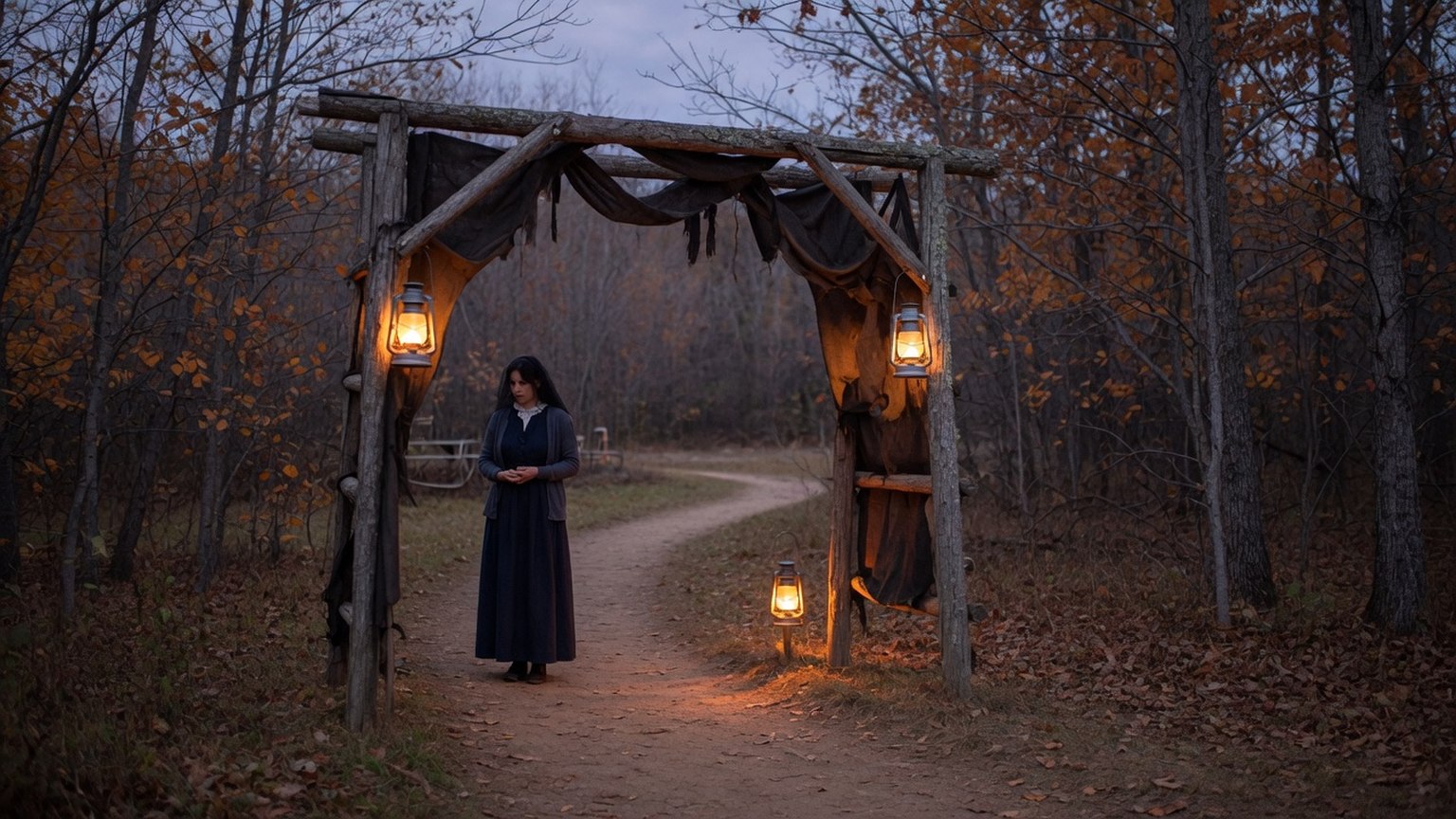
Pumpkin carving, a hayride or a lantern walk, mulled cider by the fire — modest touches go a long way. This is the season to invite local makers, a farm stand, or a musician for one evening of the stay. Our ideas for unique promotion ideas are full of low-cost twists like these.
Remote-work retreats
Once the summer rush ends, weekday inventory is wide open, and remote workers are exactly the guests who can use it. A reliable internet promise, a proper desk or table, a designated quiet zone, and a Sunday-to-Thursday rate can fill nights that would otherwise sit empty. Work-from-anywhere guests also tend to return, often with the same group of friends.
Warmth and wellness
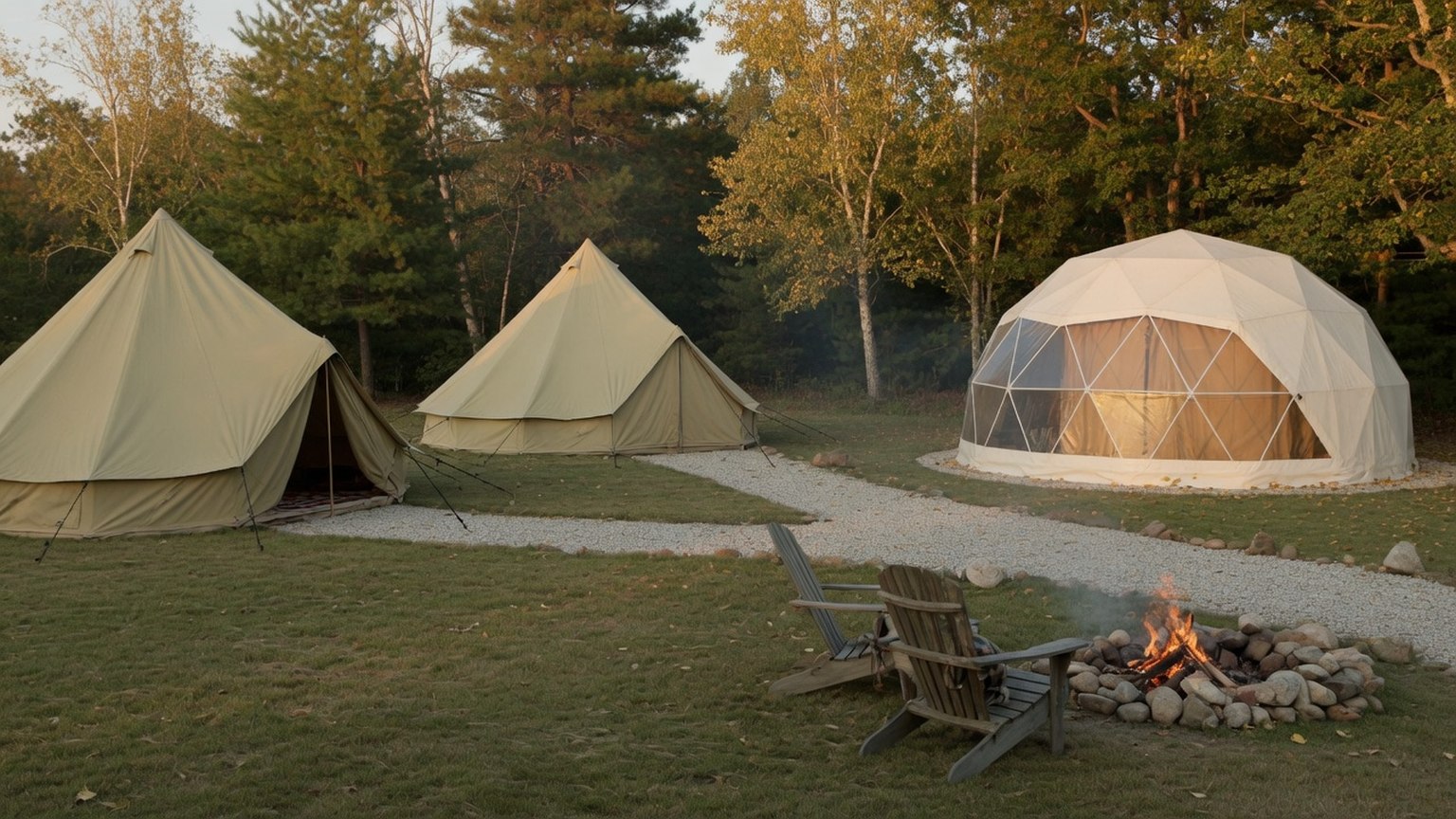
Cool nights are a gift when you frame them right. Hot tubs, saunas, heated tents, fire pits with s'mores kits, and a deep stack of extra blankets all say the same thing: we know it gets chilly, and we have made it cozy. Sell the comfort, not the cold.
Tell a Fall Story People Cannot Scroll Past
Shoulder-season marketing is mostly about proof and reminders. Fresh photography matters more than ever — a single golden-hour shot of your site under autumn trees is worth more than any clever caption. Shoot it yourself if you must, or bring in a local photographer during peak color and reuse the best images for a full year.
Then remind the people who already know you. An email to past guests in early September, before they have planned their autumn, is one of the highest-return messages you can send. Around it, a few well-chosen local partnerships quietly do the heavy lifting: a nearby winery, a farm, a bike shop, or a restaurant that will cross-promote a weekend package. We cover how to build those relationships in our guide to leveraging local partnerships.
Get the Site Ready for Cold Nights
Nothing undoes good marketing faster than a guest who shivers. Walk your site as a first-time visitor would and fix the obvious comfort gaps before the first cold weekend: verify that every heater works, restock firewood and kindling, add warm lighting along paths, and inspect any spot where wind or damp can reach a tent or cabin. Offer mud-friendly mats and a place to dry wet boots — small courtesies that guests remember.
Safety deserves the same attention. Check smoke and carbon monoxide alarms, clear and service every fire pit, and remind guests of quiet hours now that the nights draw in early. A short pre-arrival note explaining what to pack for cool evenings prevents a surprising number of complaints and often earns a grateful review.
Bridge the Gap Into Winter
The best shoulder plan does not end when the leaves fall. It flows into winter. If your accommodations can handle the cold, glamping in winter can become its own small season, with a distinct appeal: silence, dark skies, and a fire worth talking about. Offer longer stays, midweek specials for snowbirds and remote workers, and simple winterization touches — from a pre-warmed cabin to loaner blankets — so guests never have to think about the temperature.
For owners, the goal is rhythm rather than peaks. Twelve steady months beat one frantic summer, and the groundwork you lay in October is what carries you through the quiet weeks of January.
Make This Fall Your Most Profitable Shoulder Season
Start small. Pick one package, one midweek rate, and one email to last year's guests, then watch what the calendar does over the next month. Fall guests are often the most relaxed visitors you will host all year, and they tend to book next season before they leave. With a little planning, that quiet stretch can become the part of your year you look forward to most. Happy glamping.