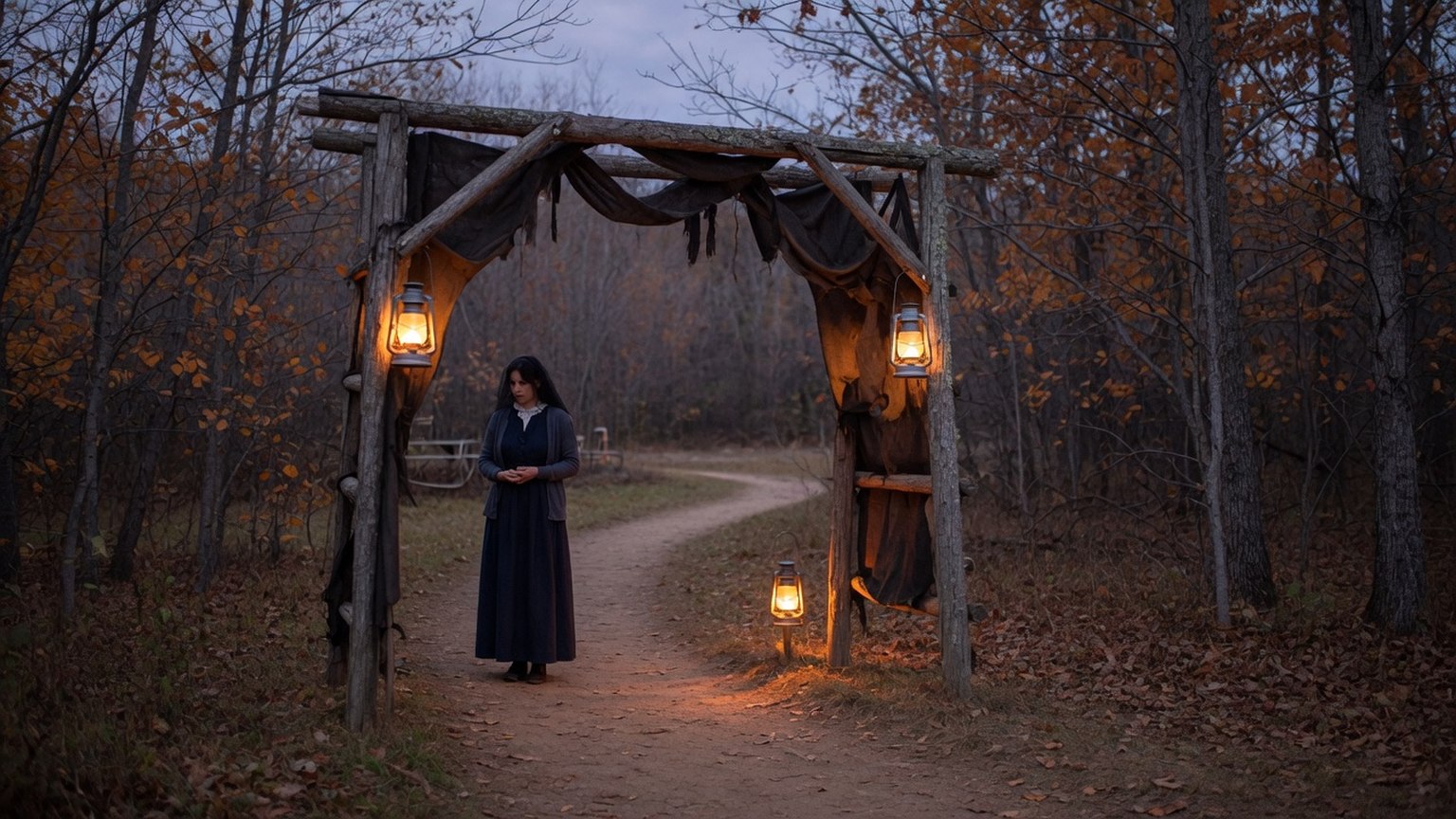
By the time October arrives, most campground and glamping owners are staring at the same quiet stretch on the calendar: the weeks between the last leaf-peeping weekend and the first warm booking of spring. It is tempting to treat that gap as a well-earned break. The best-run properties do the opposite. They turn those weeks into a holiday season, because travelers are still looking for somewhere cozy to go — and the guests who book a Thanksgiving or New Year stay are often the same guests who come back next summer at your full peak rate.
This is not about discounting empty nights. It is about packaging what your property already does well — warmth, quiet, and a little bit of occasion — into stays that sell themselves. Here is how we build winter holiday packages that fill slow weeks without teaching guests to wait for a markdown.
Start With the Calendar You Actually Have
Before you write a single word of marketing, sit down with next season’s calendar and mark every date that carries built-in demand. In most of the country that means Thanksgiving week and the long weekend around it, the stretch between Christmas and New Year, and then school winter breaks in January and February. Add whatever is local: a holiday market, a tree-lighting festival, a college break, a hunting season, or a big family-visit weekend when the nearby hotels fill up.
The point of marking dates first is that holiday demand is uneven. Some weeks will fill on their own; others need a push. Knowing the difference keeps you from discounting a date that would have sold at full rate anyway, and it tells you exactly where to point your marketing effort.
It also helps to be honest about your own capacity. If your water lines freeze, your roads get rutted, or your team shrinks in winter, that shapes which weeks you can comfortably sell. A smaller, well-run winter season beats an ambitious one that leaves guests cold and disappointed.
Build Packages Around Occasions, Not Just Nights
A room at a nightly rate is a commodity. A holiday package is a plan. The properties that fill winter weeks well bundle a stay with something that makes the occasion feel handled.
For Thanksgiving, that might be a long-weekend package with a fire already laid, a pre-ordered pie, and a quiet morning with coffee delivered to the tent. Over Christmas and New Year, it can mean a decorated canvas tent, a hot cocoa bar, a small countdown gathering at the fire pit, and a late checkout so guests drive home without rushing. Midweek nights in January are the hardest to sell, so those bundles lean on what makes a Tuesday special: a private soak, a guided morning hike, or a no-devices evening by the fire.
Gift certificates belong in the same conversation. Holiday shoppers buy experiences in December, which puts cash in your account during your slowest month and creates a guest who has already paid to come back. Offer a certificate that matches your winter package rather than a generic dollar amount, and the buyer gets an easy gift while you get a future booking.
Whatever you build, describe it in plain language and list what is included. Guests book packages they can picture, so a short, specific menu of options converts far better than a paragraph of vague adjectives.
Price for Value and Protect Your Peak
Holiday pricing works best when it is tiered instead of flat. Hold your normal rate or a premium on the dates that always sell — the Saturday of Thanksgiving weekend, New Year’s Eve — and build your package value around the nights that need help. A two-night minimum on a premium holiday weekend is a fair ask; it protects turnover time and lifts revenue per booking without the sting of a higher nightly rate.
Bundle extras rather than cutting the room rate. Guests read a discount as a sign that a property is desperate, but they read a package as thoughtful. If you want the deeper logic on structuring rates across peak, mid, and value seasons, our guide to maximizing profits year-round walks through it in detail.
Make Cold-Weather Comfort the Selling Point
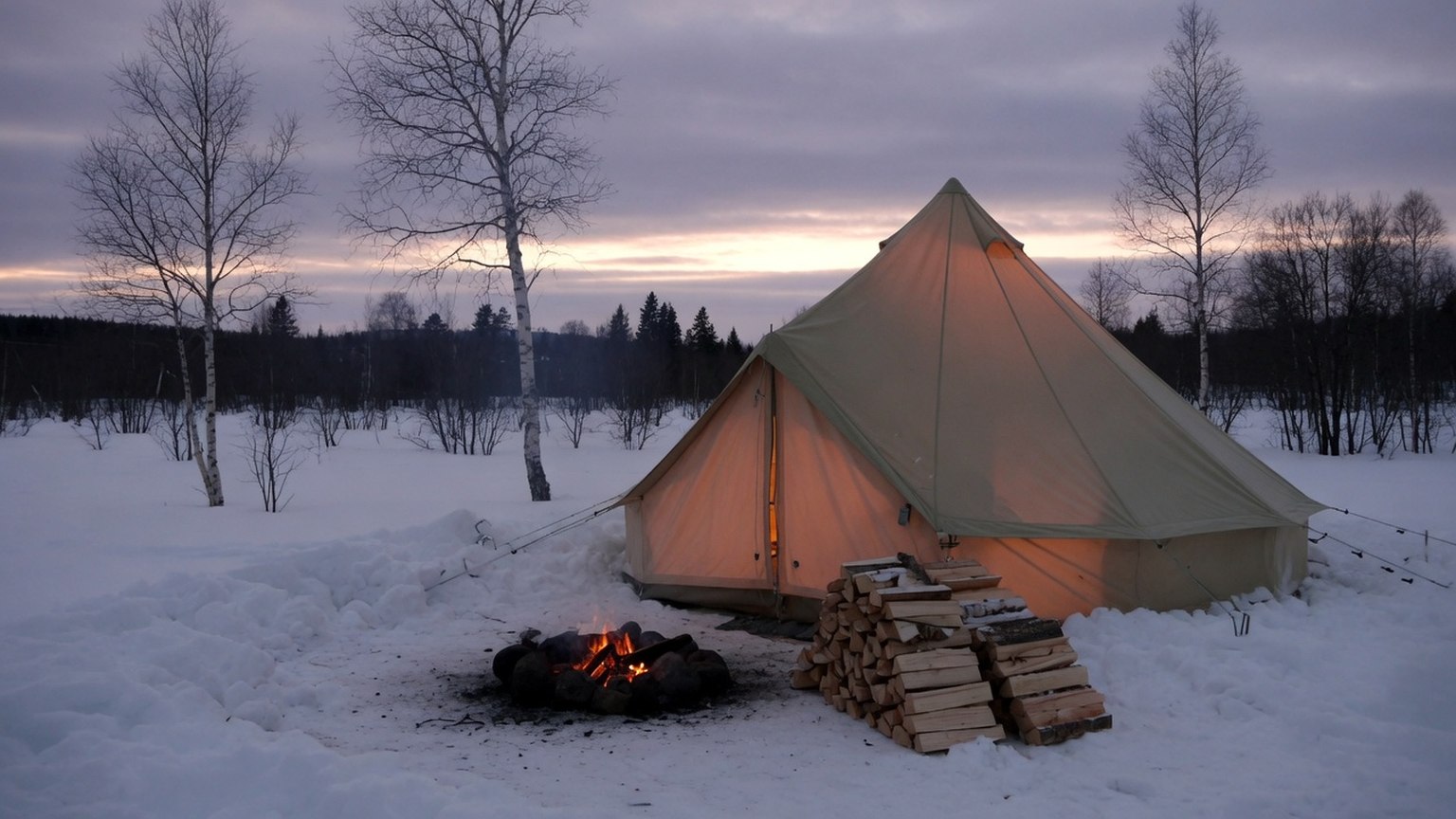
Winter guests are not really buying a campsite. They are buying an answer to a question: will I be warm and comfortable? Your marketing should answer that before they ask. Show the heated tent or cabin, the wood stove, the stack of blankets, the firewood ready at the site, the hot drink waiting on arrival. Photograph it in real winter light and describe the temperature honestly.
Small operational touches carry a lot of weight off-season. A genuinely warm bed, a dry mat for wet boots, a lantern lit for late arrivals, and a short welcome note go a long way in a review. If your winter setup is basic, say so and price it accordingly — a straightforward, cozy rustic stay at a fair rate beats an overpromised luxury one every time.
Sell to the Guests You Already Have
The cheapest bookings you will ever earn come from people who have already stayed with you. Your past-guest email list is the single best channel for a winter offer, so send it early — holiday plans get made in October and November, not the week of. One clear email with a package, a photo, and a booking link will outperform a month of social posts.
Social media still matters, but use it for the season’s mood rather than a hard pitch: frost on the canvas, the fire pit at dusk, the first snow on the ridge. It sells the feeling, and the booking link does the rest. If you want more angles for promoting quiet weeks, our promotion ideas are a good next read.
Partnerships are the other lever worth pulling. A nearby restaurant, winery, or outfitter can co-create a holiday package that neither of you could fill alone — they bring the dinner or the guided outing, you bring the stay — and our guide to leveraging local partnerships shows how those deals usually come together without splitting your margin in half.
Run It Once, Then Make It a Tradition
Keep a simple record of what sold. Which package booked first? Which dates never moved? What did guests mention in their reviews? That small log becomes next year’s plan, and over two or three winters a holiday package stops being an experiment and starts being a tradition your guests plan around.
Guests also remember how a stay felt far longer than they remember the price they paid, which is exactly why the experience side of the package deserves as much attention as the rates. Our notes on creating unforgettable experiences are a good place to start if you want to sharpen that part of the offer.
Winter does not have to be dead weight on your books. With a marked calendar, a few thoughtful packages, and a message to the guests who already trust you, those slow weeks can carry real revenue into the new year — and hand you a stronger spring. Happy glamping, and here’s to a busy off-season.